A routine trip to the store for vitamins turned into a nightmare for one man and his wife. After being falsely accused of shoplifting by an AI-powered facial recognition system, he left the store shaken, later admitting, “I was scared to go into a shop.” This chilling statement highlights a disturbing trend: innocent shoppers are increasingly being targeted by flawed technology, with potentially devastating consequences.
The Rise of AI Surveillance in Retail
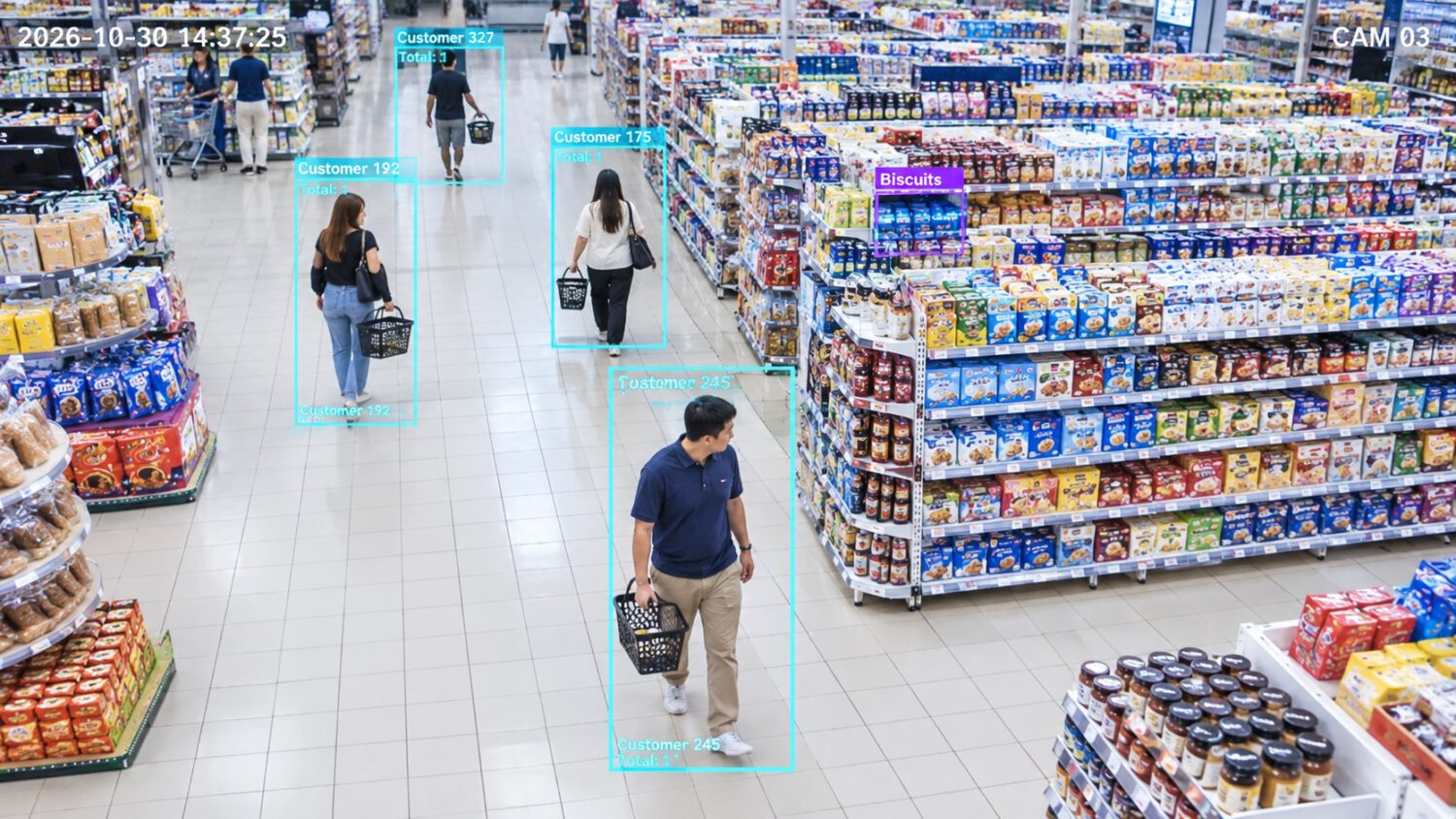
Retailers are turning to facial recognition systems like Facewatch to combat shoplifting. These systems map shoppers’ facial geometry and compare it against a watchlist of suspected criminals. While the technology promises increased security, its accuracy and ethical implications are under intense scrutiny.
Participating retailers, including Home Bargains, B&M, Budgens, Costcutter, and Sports Direct, rely on these systems to alert staff to potential thieves. However, as civil-liberties group Big Brother Watch has documented, these alerts often lead to wrongful accusations, bag searches, and even store bans for innocent individuals.
Stories of Misidentification
Take the case of Danielle Horan, who was wrongly placed on Facewatch’s watchlist and labeled a thief. She was twice accused and removed from stores despite her innocence. Her biometric data was then shared among participating retailers, a practice confirmed by the Information Commissioner’s Office (ICO) as part of Facewatch’s national watchlist system.
Another victim, a teenager identified as Sara, was subjected to a bag search at Home Bargains and told she was barred from other retailers using the software. Facewatch later admitted that both its technology and a human “super-recogniser” had mistaken her for someone else.
In another incident, a woman was accused of stealing “loads of meat” at a Budgens store, despite not having visited the store in months. Her husband was left “shaking from head to toe” after the confrontation.
Blurred Lines of Accountability
The division of responsibility between technology providers and retailers leaves wrongly accused shoppers in a precarious position. Facewatch claims it “takes responsibility for its technology and processes,” while retailers are accountable for how their staff interact with customers. In practice, this division often results in a blame game, with neither party fully addressing the harm caused.
For instance, Sainsbury’s paused facial-recognition alerts after an innocent shopper was removed but later resumed live alerts. When asked for comment, Sainsbury’s referred data-privacy questions to Facewatch, further complicating the issue.
The Challenges of Seeking Recourse
UK data-protection law provides a formal route for wrongly flagged shoppers to challenge accusations. However, civil-liberties advocates argue that the process is overly bureaucratic and places an unfair burden on the accused. To learn why they were flagged, individuals may be required to provide additional identifying information to the very organization that accused them.
The ICO has described accounts from wrongly flagged shoppers as “harrowing,” yet it concluded that regulatory action against Facewatch was not required, instead recommending audits, privacy-policy reviews, and risk monitoring.
The Need for Transparency and Accountability
Until retailers publish meaningful performance data and independent audits test accuracy across diverse conditions, the public has no way to assess how often these systems fail. Facewatch claims its systems operate successfully across thousands of stores but has not provided verifiable numbers to support this assertion.
Retailers should publish alert volumes and false-match rates, and watchlist sharing between stores needs defined controls and limits. Staff also require clear guidance: an algorithmic alert should prompt cautious investigation, not immediate accusation.
Public Resistance and the Way Forward
Public resistance to automated surveillance networks in civic spaces underscores a growing demand for accountability. Communities are increasingly questioning the ethics of secretly tracking individuals without meaningful consent or recourse.
While the technology may improve, the accountability structure needs to evolve faster. Innocent shoppers should not have to live in fear of being wrongly accused. The time for transparency, independent oversight, and clearer rules is now.

